
Summer Scams: How Fraudsters Take Advantage of the Holiday Season


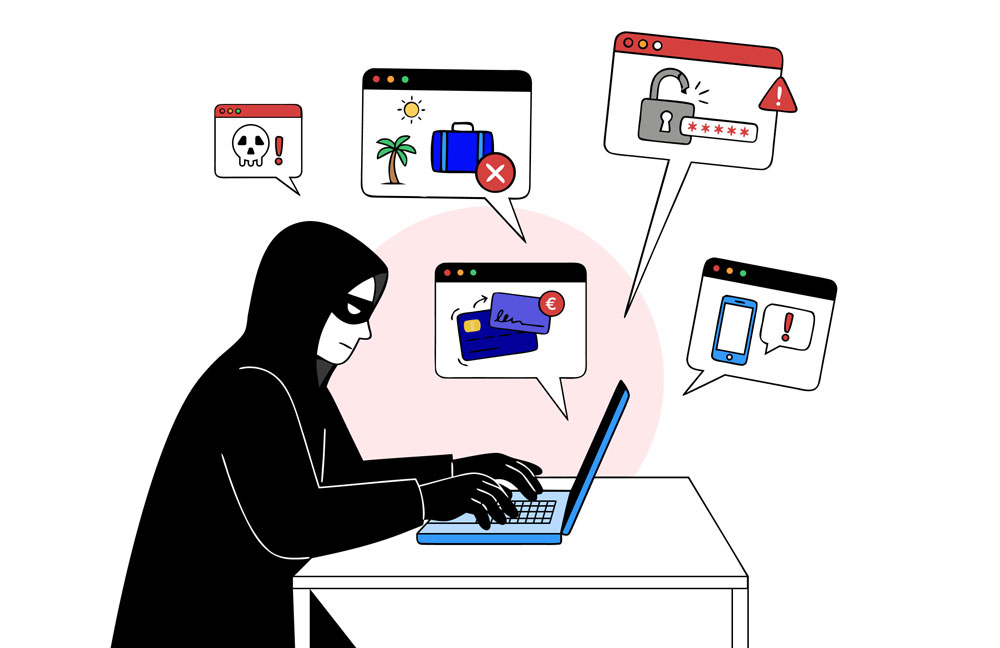
Why summer is peak season for fraudsters
Scammers are opportunists. Summer gives them exactly what they need: people who are distracted, excited, and making time-sensitive decisions. A last-minute holiday apartment, tickets to a sold-out festival, a parking QR code in an unfamiliar city — all of these are situations where we are more likely to act quickly and verify later.
The urgency is manufactured. "Only one unit left", "Offer expires tonight", "Send the deposit to secure the booking". These are pressure tactics designed to bypass your critical thinking — and they work best when you are already in holiday mode.
The most common summer scam scenarios
Fake travel listings and rental deposit scams
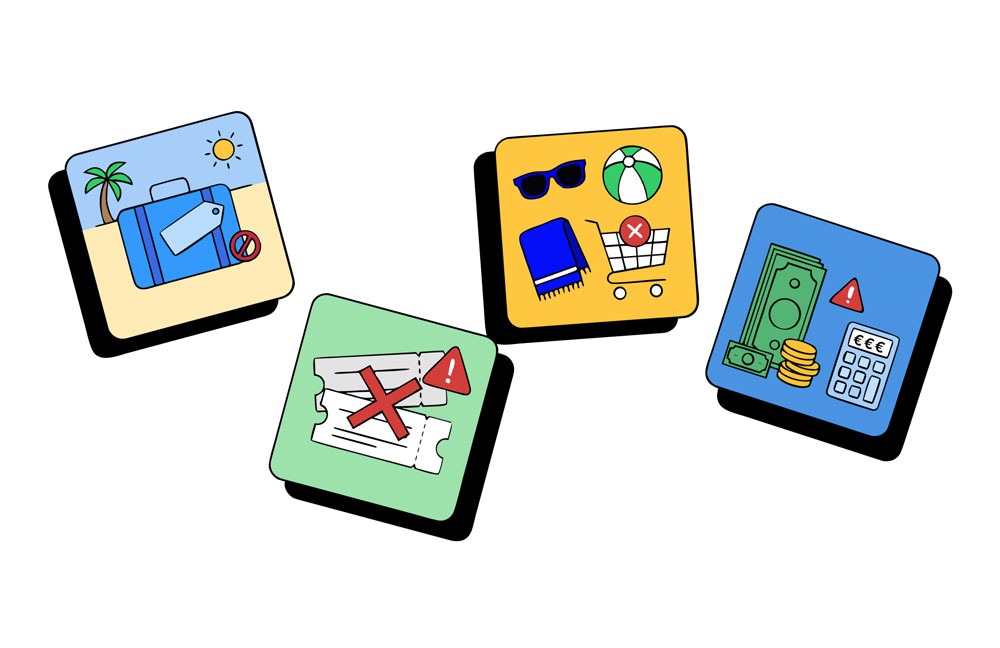
The holiday offer looks perfect: professional photos, glowing reviews, a reasonable price. It might be a seaside apartment, a full travel package, or a flight at half the usual price. The owner or "agency" asks you to pay a deposit — or the full amount — by bank transfer to "confirm your booking". Once you send the money, the seller disappears and the listing or website vanishes.
What to do: book through platforms and official airline or reputable agency websites that hold your payment until check-in or offer buyer protection. Type the address yourself instead of clicking a link in an email. Any request to pay outside the platform "to avoid fees" or a suspiciously low price, is a red flag.
Concert and festival ticket fraud
Tickets to popular summer events sell out fast, pushing buyers toward private sellers on social media and informal marketplaces. Counterfeit PDFs, already-used QR codes, and tickets to events that do not exist are all common.
What to do: The safest option is to use official ticket platforms that guarantee ticket authenticity. If you do have to buy from a person, ask to have the ticket transferred to your name directly within the official distributor's system (if available)—this is the only way to ensure you receive a completely new and unique QR code. If this feature is not available, insist on seeing the original purchase receipt or the official confirmation email from the ticket provider alongside the ticket PDF. This minimises the risk of buying a file simply copied from the internet. If the seller rushes you, or worse, hides their identity, it is better to stay at home than to hand your money over to scammers.
Scams when buying or selling summer gear
Bikes, scooters, tents, grills, or SUP boards — in summer, demand for these items peaks on local classifieds sites and Facebook Marketplace. This is where scammers hunt sellers. Moments after you post a listing, a "buyer" contacts you and suggests completing the deal through a courier. You're sent a link to a fake courier website that asks you to enter your card details so the payment for the item can "drop into" your account.
What to do: use only the official shipping systems built into the platforms. Remember: to receive money for something you're selling, a buyer only needs your account number (IBAN). If you're asked to enter your card's expiry date, CVV code, or other card details — it's a scam.
Overpayment scams
Someone contacts you about an item or rental you advertised, claims to have sent more than agreed by mistake, and urgently asks you to return the difference via bank transfer. By the time the original payment is reversed by your bank, your own money is already gone.
What to do: Never return money from a transaction you cannot fully verify. If something feels off, contact your bank before acting.
How to protect yourself this summer
- Book through official platforms. Use services that hold funds in escrow or offer buyer protection. Avoid paying private individuals by direct bank transfer for services you haven't received yet.
- Don't give in to rushed offers. "Last one left", "limited time", "act now" — these phrases are designed to switch off your critical thinking. Take a moment to stop and think before transferring any amount.
- Check before you pay. Look up the listing on Google yourself, and verify the seller's profile, reviews, or the event name. A few minutes of checking will save you from major losses.
- Protect your card details when selling items. To receive money for the gear you're selling, a buyer needs ONLY your IBAN number and your full name. Never enter your card's CVV code or "Smart-ID" passwords into links you've been sent.
- If something goes wrong — act fast. Contact your bank or Paysera customer support immediately if you suspect you've fallen victim to a scam. The sooner you report it, the greater the chance of stopping or reversing the payment.
Technology changes, summer scams do not
The scenarios described above have existed for years — but they are becoming harder to spot. AI-generated listing photos, professional-looking fake websites, and personalized messages make summer scams more convincing than ever. The best protection remains the same: pause, verify, and never let urgency make the decision for you.